Carbon Credits
Carbon offsetting is an essential tool in the fight against climate change.
It allows individuals and companies to offset their greenhouse gas (GHG) emissions by investing in projects that reduce or remove these emissions in other parts of the world.
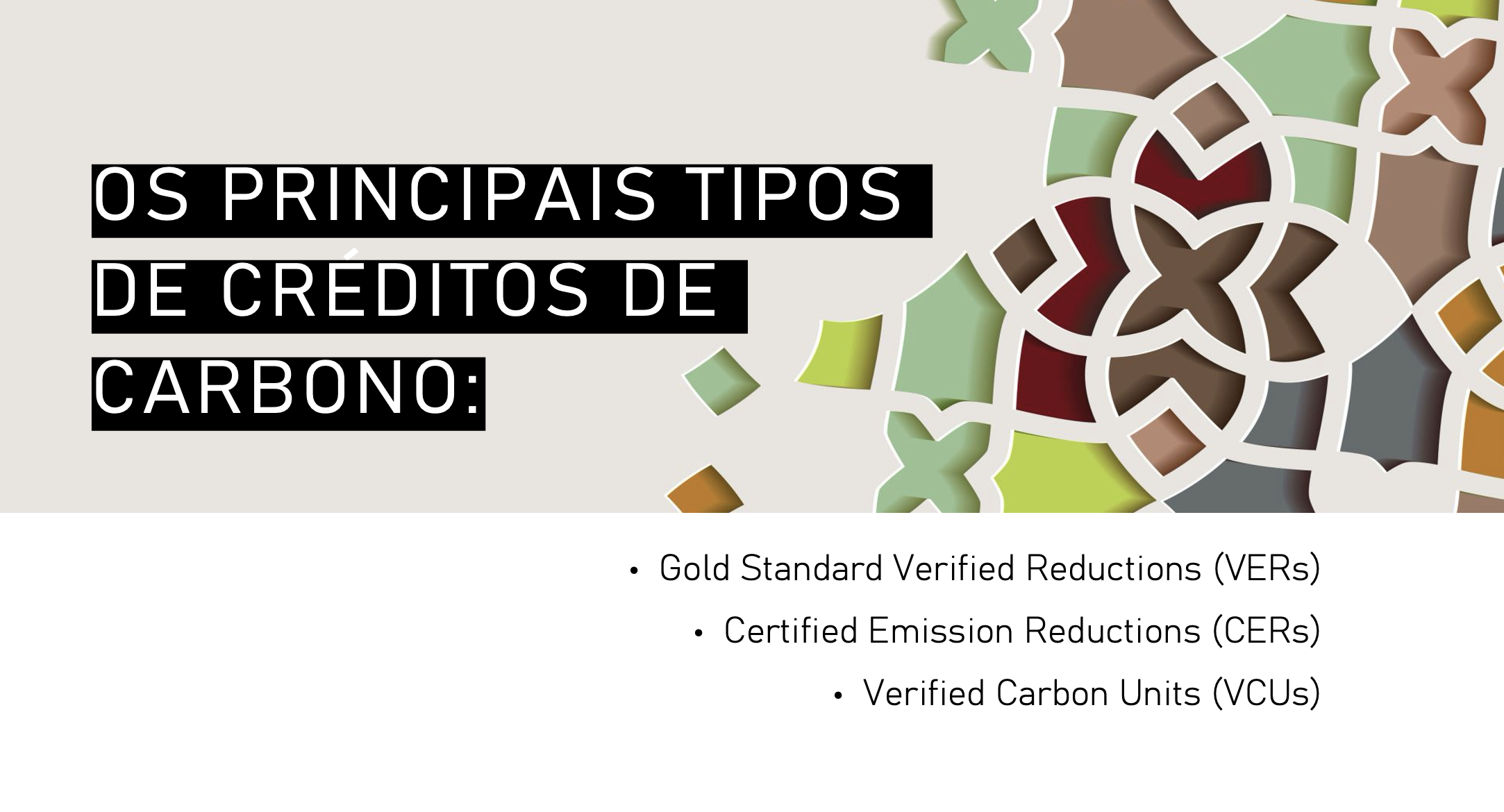
Let’s explore the main types of carbon credits: Gold Standard Verified Reductions (VERs), Certified Emission Reductions (CERs), and Verified Carbon Units (VCUs).
What is Carbon Offsetting?
Carbon offsetting involves the purchase of carbon credits, which represent the reduction or removal of one ton of carbon dioxide equivalent (CO₂e). These credits are generated by projects that promote sustainability, such as reforestation, renewable energy, and energy efficiency.
Types of Carbon Credits
1. Gold Standard Verified Reductions (VERs)
Gold Standard issue VERs credits. It is an organization that guarantees the integrity and positive impact of offset projects. Projects certified by Gold Standard must contribute to at least three UN Sustainable Development Goals (SDGs), in addition to reducing GHG emissions. These credits are widely recognized for their high quality and social and environmental impact.
Example of a VERs Project: A notable example is the solar energy project in India, which not only reduces carbon emissions by replacing energy generated from fossil fuels, but also provides clean electricity to rural communities, improving quality of life and promoting sustainable development.
2. Certified Emission Reductions (CERs)
CERs are issued by the UN Clean Development Mechanism (CDM), created under the Kyoto Protocol. Each CER represents a reduction of one tonne of CO₂e and can be used by developed countries to meet their emissions reduction targets. Projects that generate CERs include renewable energy, energy efficiency, and carbon sequestration initiatives.
Example of a CERs Project: A wind energy project in Brazil is an example of how to generate CERs. This project not only reduces GHG emissions by replacing energy from fossil fuels, but also creates local jobs and promotes economic development in the region.
3. Verified Carbon Units (VCUs)
Verified Carbon Standard (VCS) issues VCU credits by Verra. Each VCU represents the reduction or removal of one tonne of CO₂e. VCS-certified projects cover a wide range of activities, including forest conservation, renewable energy, and energy efficiency improvements. VCUs are transparent and have scientific rigor.
Example of a VCU Project: An example of a VCU project is the conservation of tropical forests in the Amazon. This project not only avoids the emission of large amounts of CO₂e by preventing deforestation, but also protects biodiversity and supports local indigenous communities.
Carbon Reduction and Removal Projects
Carbon reduction projects aim to directly decrease the amount of greenhouse gases emitted into the atmosphere. They include initiatives such as:
- Renewable Energy: Projects that replace fossil fuel energy sources with renewable alternatives, such as solar, wind, and hydroelectric power.
- Energy Efficiency: Improvements in heating systems, lighting, and industrial equipment to reduce energy consumption.
- Methane Capture: Methane capture at landfills and agricultural operations to prevent this potent greenhouse gas from entering the atmosphere.
Carbon Removal Projects
Carbon removal projects focus on removing CO₂e already present in the atmosphere. They include:
- Reforestation: Planting trees to sequester CO₂e and restore degraded ecosystems.
- Regenerative Agriculture: Agricultural practices that increase carbon sequestration in the soil, such as crop rotation and the use of biochar.
- Forest Conservation: Protecting existing forests to prevent the release of stored CO₂.
Conclusion
Carbon offsetting is a vital strategy for achieving carbon neutrality.
By understanding the different types of carbon credits, such as VERs, CERs, and VCUs, and carbon reduction and removal projects, we can, therefore, make more informed and effective decisions to support initiatives that truly make a difference in the fight against climate change.