
Building a Greener Future: How Brazil Can Lead in Sustainable Construction
Introduction In the heart of Brazil, a country known for its vibrant culture and stunning landscapes, lies an untapped potential to revolutionize the construction industry.
Introduction In the heart of Brazil, a country known for its vibrant culture and stunning landscapes, lies an untapped potential to revolutionize the construction industry.
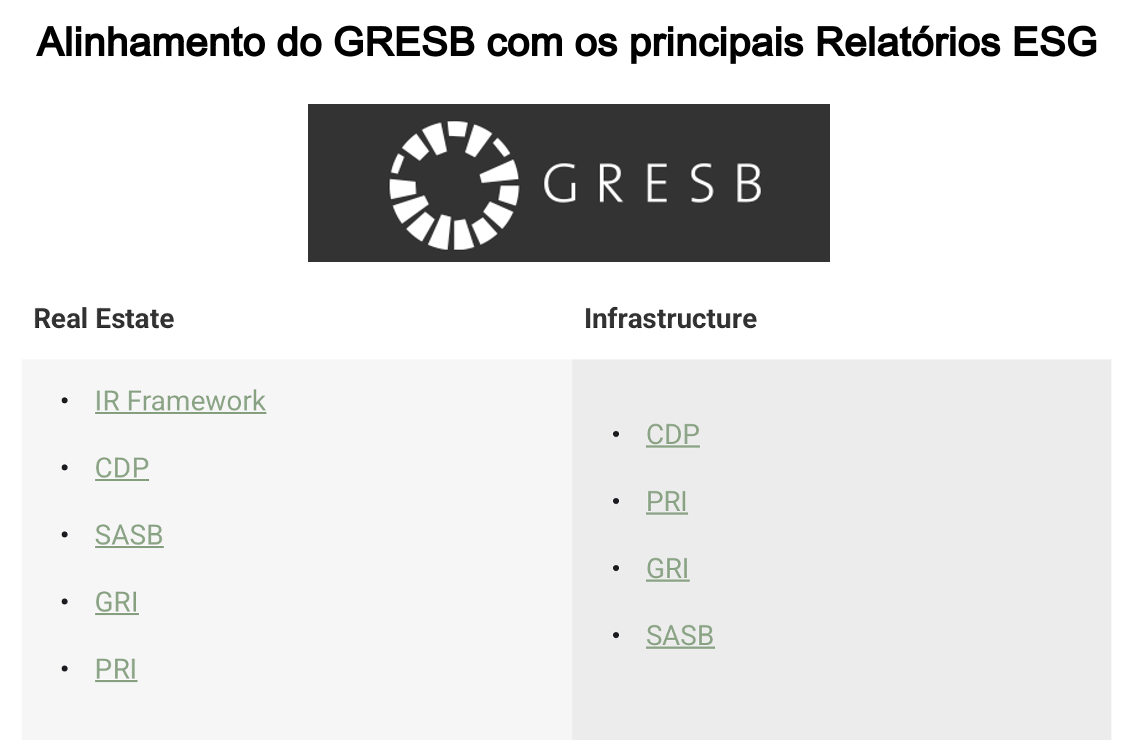
Introduction In today’s world, sustainability and corporate social responsibility are more important than ever. Companies and investors are increasingly focused on environmental, social, and governance

BREEAM In-Use Certification of existing buildings is a globally recognized standard for assessing and improving the sustainability of existing buildings. It provides a comprehensive

GRESB Global Real Estate Sustainability Benchmark is an organization that provides ESG (Environmental, Social, and Governance) assessments and sustainability benchmarks for commercial real estate and
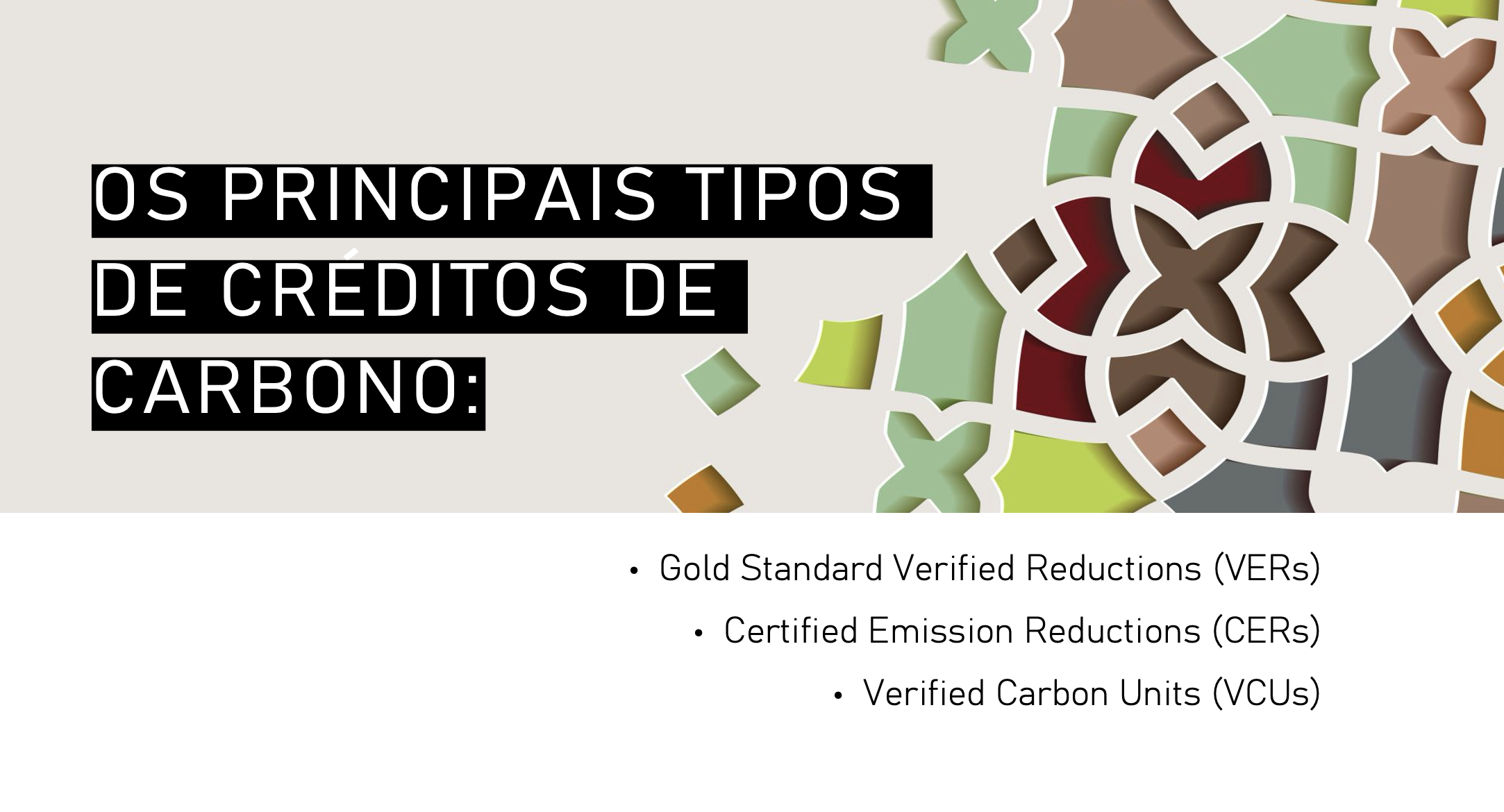
Carbon Credits Carbon offsetting is an essential tool in the fight against climate change. It allows individuals and companies to offset their greenhouse gas
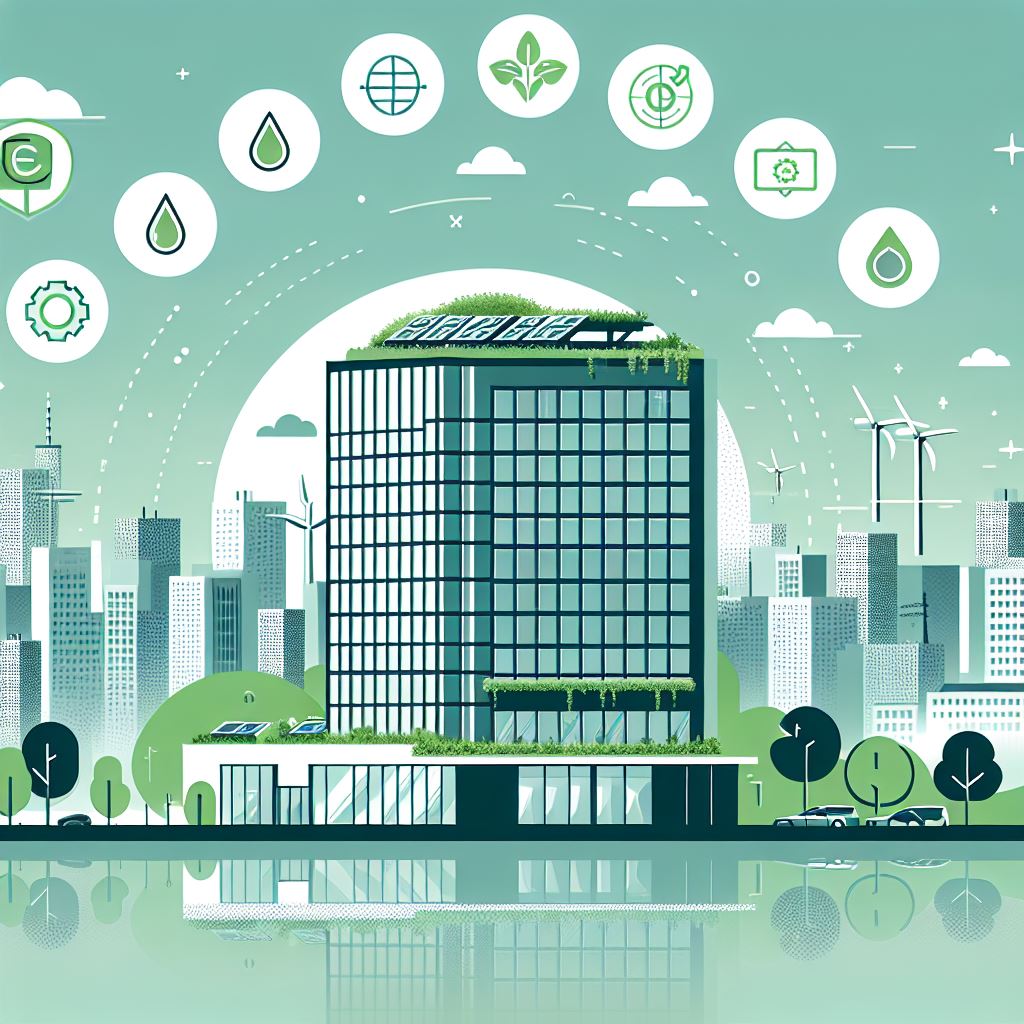
LEED Certification for Sustainable Buildings: Transforming the Construction Industry in Brazil Everyone has walked into a building and felt that the air was lighter,
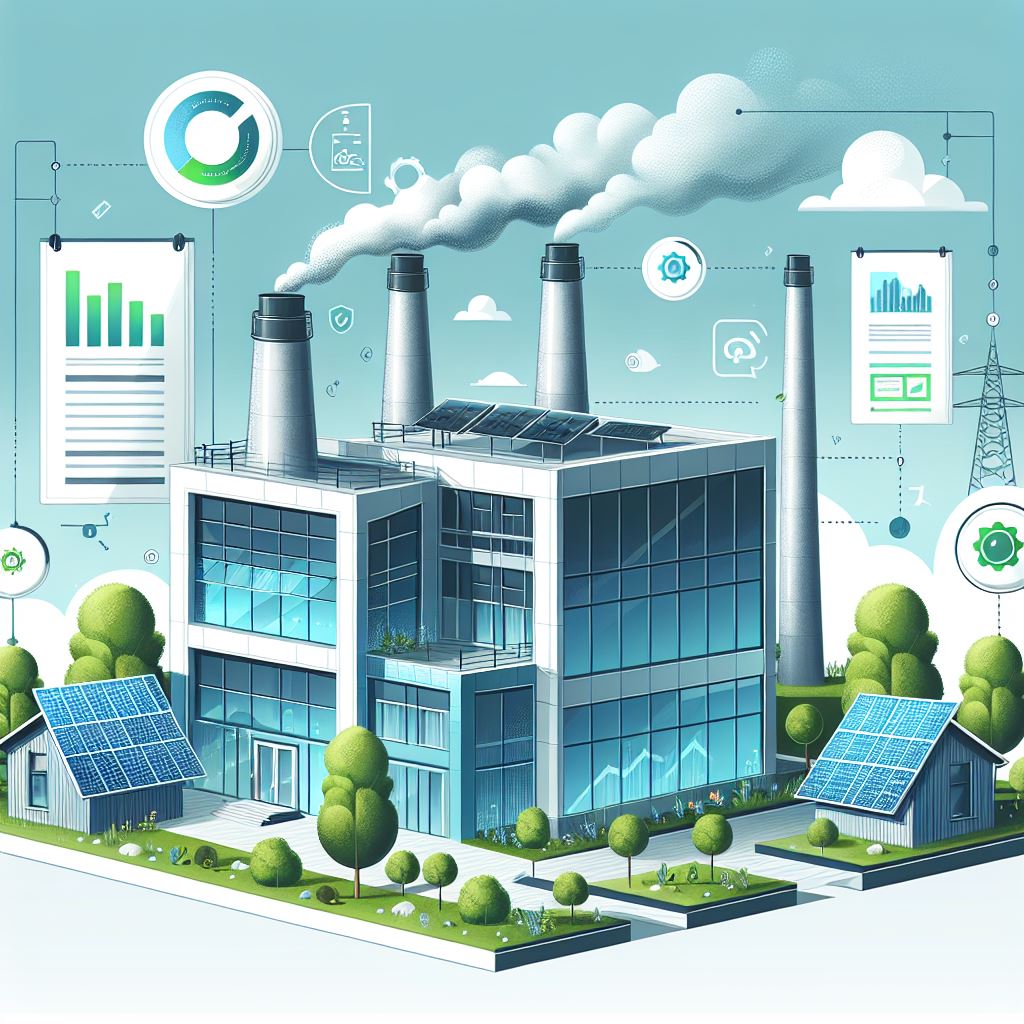
Introduction As awareness of climate change grows, the need to reduce greenhouse gas (GHG) emissions becomes a global priority. One of the key instruments

What is the ABNT NBR 15.575 standard? The ABNT NBR 15.575 standard , also known as the Performance Standard , is a milestone

Sustain Quality played a prominent role in the 13th edition of the Brazil-Korea Conference , held in Seoul, South Korea , reinforcing its position as
New Legal Framework: Updates and deadlines On December 11, 2024 , Law No. 15,042/2024 (PL 182/2024) was enacted , establishing the Brazilian Emissions
IFRS S1 and S2: Prepare your company for the new ESG era with diagnostics and tools from Sustain Quality Brasil. Prepare your company for
By 2026, measuring and reporting greenhouse gas (GHG) emissions will no longer be a “nice to have” but a competitive differentiator—and, in many cases, an